
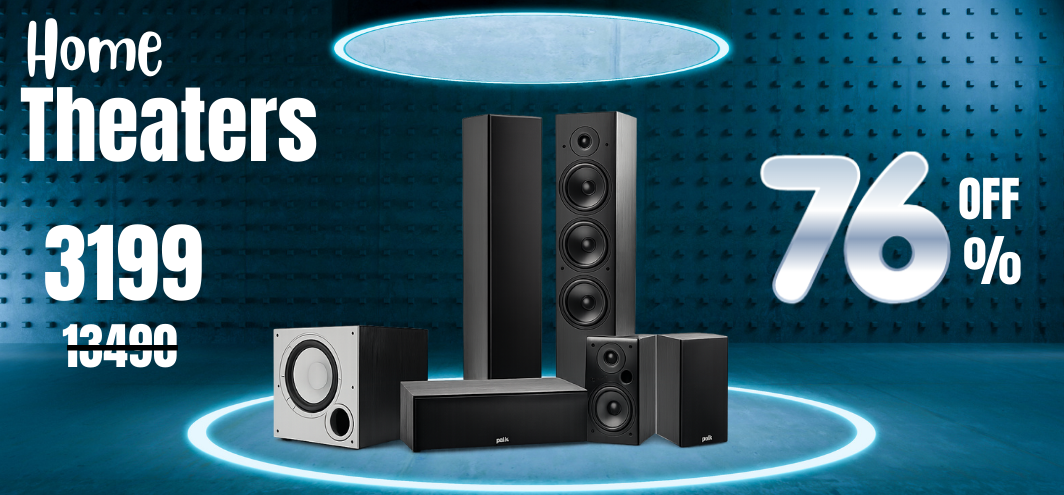
Best Home Theaters in India
Home entertainment in India has evolved dramatically. We no longer settle for ordinary TV speakers or average soundbars. Today, a powerful home theater system is a necessity for immersive movie nights, high-energy sports viewing, realistic gaming, and premium music listening. The demand for the best home theaters in India continues to surge as households seek cinema-quality audio without stepping outside.
This in-depth guide presents a comprehensive, expert-level breakdown of home theater systems available in India—covering types, configurations, features, specifications, room suitability, comparison tables, buying insights, and long-term value. Every section is crafted to deliver precision, clarity, and actionable information.
What Defines the Best Home Theater Experience
A true home theater is not just loud sound. It is about balance, depth, clarity, spatial accuracy, and controlled bass. The best systems deliver:
-
Crystal-clear dialogues
-
Deep, punchy low frequencies
-
Wide soundstage with precise surround effects
-
Consistent performance across volumes
-
Seamless connectivity with modern TVs and devices
Types of Home Theater Systems in India
5.1 Channel Home Theater Systems
The most popular configuration in Indian homes.
Includes:
-
1 Center speaker
-
2 Front speakers
-
2 Rear speakers
-
1 Subwoofer
Best for: Medium-sized living rooms, movies, sports, and streaming content.
7.1 Channel Home Theater Systems
Designed for enthusiasts who want expansive surround sound.
Advantages:
-
Enhanced rear-channel separation
-
More immersive sound movement
-
Ideal for Dolby and DTS formats
Dolby Atmos Home Theater Systems
The pinnacle of modern home audio.
Key highlights:
-
Object-based audio technology
-
Overhead sound effects
-
3D audio immersion
Best for: Large rooms, premium setups, and true cinema lovers.
Soundbar-Based Home Theaters
Compact, stylish, and space-efficient.
Strengths:
-
Easy installation
-
Minimal wiring
-
Clean design
Limitations: Less surround separation compared to discrete speaker systems.
Key Components of a Premium Home Theater System
AV Receiver (AVR)
The brain of the setup.
-
Audio decoding
-
Power amplification
-
Source switching
-
Surround processing
A high-quality AVR ensures accurate sound reproduction and future compatibility.
Speakers
Speakers determine tonal character and clarity.
Types include:
-
Floor-standing speakers
-
Bookshelf speakers
-
Center speakers
-
Satellite speakers
Material quality, driver size, and enclosure design matter significantly.
Subwoofer
Responsible for bass and low-frequency impact.
-
Larger drivers = deeper bass
-
Front-firing designs = tighter control
-
Proper placement = enhanced performance
Best Speaker Configurations for Indian Homes
| Room Size | Recommended Setup |
|---|---|
| Small (≤120 sq ft) | Soundbar / 2.1 System |
| Medium (120–220 sq ft) | 5.1 Channel |
| Large (220+ sq ft) | 7.1 / Dolby Atmos |
Wired vs Wireless Home Theater Systems
Wired Home Theaters
-
Better sound fidelity
-
Zero latency
-
High power output
Ideal for: Permanent setups and audiophiles.
Wireless Home Theaters
-
Clean installation
-
Flexible placement
-
Smart connectivity
Ideal for: Modern apartments and minimal interiors.
Connectivity Features That Matter Today
Modern home theaters must support:
-
HDMI ARC / eARC
-
Bluetooth and Wi-Fi
-
Optical and AUX inputs
-
Smart TV compatibility
-
Voice assistant integration
These features ensure future-proof usability.
Audio Formats You Should Look For
-
Dolby Digital / Dolby Digital Plus
-
Dolby Atmos
-
DTS-HD / DTS:X
-
AAC / FLAC support
Advanced formats preserve audio detail and spatial accuracy.
Power Output: Understanding Watts Correctly
Power ratings must be evaluated realistically.
-
RMS power matters more than peak wattage
-
Efficient speakers require less power
-
Balanced output ensures distortion-free sound
Build Quality and Design
The best home theaters balance aesthetics and acoustics.
-
MDF or wooden cabinets reduce resonance
-
Matte finishes blend into modern interiors
-
Floor-standing speakers add premium presence
Comparison Table: Home Theater Types
| Type | Sound Quality | Ease of Setup | Best Use Case |
|---|---|---|---|
| Soundbar | Moderate | Very Easy | Small rooms |
| 5.1 System | High | Medium | Family living rooms |
| 7.1 System | Very High | Complex | Large spaces |
| Dolby Atmos | Exceptional | Advanced | Premium cinema setups |
Best Use Cases for Home Theater Systems
-
Movies: Explosive effects and crisp dialogue
-
Sports: Stadium-like atmosphere
-
Gaming: Directional sound advantage
-
Music: Rich stereo separation
Installation and Placement Guidelines
Correct placement transforms sound quality.
-
Center speaker aligned with TV
-
Subwoofer near walls for deeper bass
-
Rear speakers behind listening position
-
Maintain symmetry where possible
Professional calibration enhances results further.
Energy Efficiency and Heat Management
Efficient systems offer:
-
Stable long-hour performance
-
Reduced power consumption
-
Lower heat buildup
Good ventilation ensures longevity.
Maintenance and Long-Term Care
-
Keep drivers dust-free
-
Avoid moisture exposure
-
Use voltage stabilizers
-
Check connections periodically
Regular care preserves audio quality for years.
Common Buying Mistakes to Avoid
-
Choosing low-power systems for large rooms
-
Ignoring speaker placement requirements
-
Prioritizing wattage over sound balance
-
Skipping compatibility checks
Why Investing in a Home Theater Makes Sense
A high-quality home theater delivers:
-
Theater-like immersion
-
Long-term entertainment value
-
Enhanced property appeal
-
Shared family experiences
It is not a luxury—it is a sound investment.
FAQs
-
Which home theater is best for Indian homes?
5.1 channel systems offer the best balance. -
Is Dolby Atmos necessary?
For premium cinema experience, yes. -
What room size suits a 5.1 system?
120–220 sq ft. -
Are soundbars better than speakers?
Speakers provide superior surround sound. -
How much wattage is enough?
300–800W RMS for most homes. -
Do wireless systems lag?
High-quality ones minimize latency. -
Is an AV receiver compulsory?
Yes, for passive speaker systems. -
Which is better: floor-standing or bookshelf?
Floor-standing for richer output. -
Do home theaters support Smart TVs?
Most modern systems do. -
Can I add speakers later?
Expandable systems allow upgrades. -
Is subwoofer placement important?
Extremely important for bass quality. -
Do home theaters consume high power?
Only at high volumes. -
Which audio format is best?
Dolby Atmos and DTS:X. -
Is HDMI ARC enough?
Yes, eARC is better for advanced audio. -
Are home theaters good for music?
Yes, especially with stereo tuning. -
Do I need professional installation?
Recommended for large setups. -
Can home theaters be wall-mounted?
Yes, depending on speaker design. -
Is maintenance expensive?
No, minimal with proper care. -
How long do home theaters last?
8–15 years on average. -
Is surround sound effective in apartments?
Yes, with proper tuning. -
Do home theaters improve TV audio significantly?
Absolutely. -
Are compact systems good enough?
For small rooms, yes. -
Does brand matter?
Build quality and tuning matter more. -
Can gaming consoles connect easily?
Yes, via HDMI. -
What is the biggest buying mistake?
Ignoring room size and placement.
For more information and to start using Roobai.com, visit our official website and download the app to stay updated on the best deals and offers. With Roobai.com, you can ensure that every shopping experience is not just an opportunity to shop but an opportunity to save big