
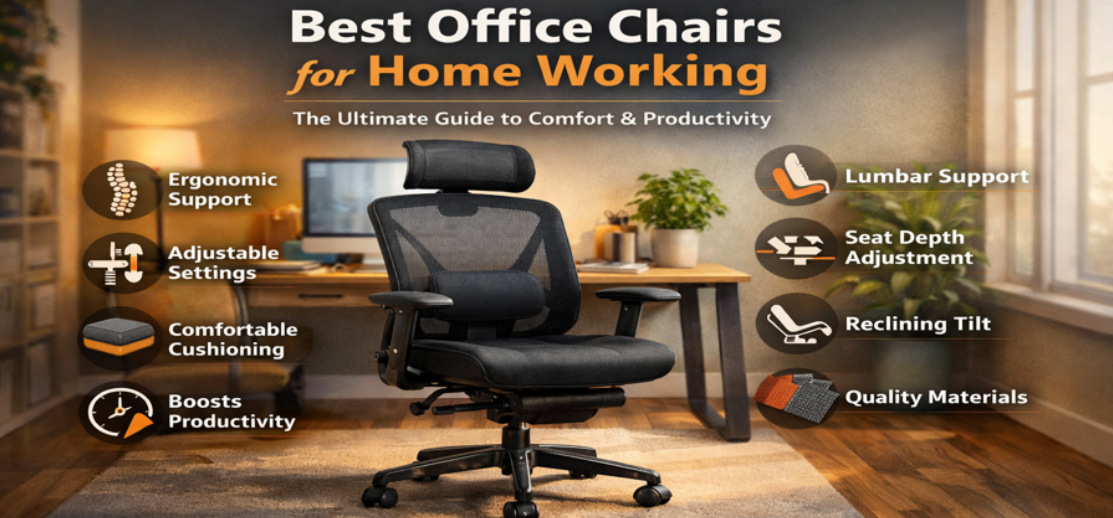
Remote work has permanently transformed the modern workplace. As professionals spend longer hours at home desks, selecting the best office chair for home working has become essential for comfort, productivity, and long-term health. A poorly designed chair can lead to fatigue, back pain, reduced focus, and chronic posture issues. By contrast, a well-engineered ergonomic chair supports the spine, improves circulation, and helps maintain energy levels throughout the workday.
In this comprehensive guide, we explore the top office chair features, ergonomic principles, materials, design considerations, and buying factors that define the best chairs for home offices. We also provide comparisons, expert insights, and practical tips to help create the most comfortable and productive workspace possible.
Why Choosing the Right Home Office Chair Matters
Working from home often means sitting for six to ten hours daily. Without proper ergonomic support, prolonged sitting can result in:
-
Lower back pain
-
Neck and shoulder strain
-
Reduced blood circulation
-
Poor posture habits
-
Increased fatigue and reduced productivity
A high-quality ergonomic office chair actively supports the body’s natural posture. Adjustable features allow each user to customize the chair according to height, weight distribution, and working style.
Key benefits include:
-
Improved spinal alignment
-
Reduced pressure on hips and thighs
-
Better circulation and posture
-
Enhanced productivity and concentration
-
Long-term musculoskeletal health
A premium home office chair is therefore not simply furniture—it is an investment in professional performance and personal well-being.
Essential Ergonomic Features in the Best Office Chairs
Understanding ergonomic design is the first step in selecting the ideal chair. The best models incorporate several adjustable components that adapt to individual body mechanics.
Adjustable Seat Height
Seat height must allow feet to rest flat on the floor while maintaining a 90-degree angle at the knees. Chairs with pneumatic height adjustment ensure precise positioning.
Benefits include:
-
Reduced pressure on knees
-
Improved circulation
-
Better alignment with desk height
Lumbar Support
Proper lumbar support maintains the natural inward curve of the lower spine. Without this support, the spine collapses into a slouched position, creating strain on muscles and discs.
High-quality chairs feature:
-
Dynamic lumbar adjustment
-
Height-adjustable lumbar pads
-
Flexible lumbar tension systems
This prevents lower back fatigue and supports healthy posture during extended work sessions.
Seat Depth Adjustment
Seat depth determines how far the chair seat extends beneath the thighs. The ideal configuration leaves approximately 2–4 inches between the seat edge and the back of the knees.
Advantages include:
-
Balanced weight distribution
-
Reduced leg pressure
-
Improved sitting comfort
Adjustable Armrests
Armrests should support the elbows without forcing the shoulders upward. Modern ergonomic chairs offer:
-
Height adjustment
-
Width adjustment
-
Pivoting armrests
-
Forward/backward movement
These features help maintain neutral arm positioning while typing or using a mouse.
Recline and Tilt Mechanism
A reclining mechanism allows the user to lean back while maintaining lumbar support. This dynamic movement:
-
Relieves spinal pressure
-
Encourages posture variation
-
Reduces muscle fatigue
Chairs with synchro-tilt systems keep the seat and backrest moving in balanced coordination.
Types of Office Chairs Ideal for Home Working
Not every home office chair serves the same purpose. Different chair categories address varying needs, body types, and work styles.
Ergonomic Task Chairs
Ergonomic task chairs are the most versatile option for home offices. They feature extensive adjustability and support daily computer work.
Characteristics include:
-
Breathable mesh backs
-
Adjustable lumbar support
-
Swivel bases
-
Smooth rolling casters
These chairs prioritize comfort during long work sessions.
Executive Office Chairs
Executive chairs emphasize luxury and professional aesthetics. They often feature leather upholstery, high backs, and thick cushioning.
Advantages include:
-
Premium materials
-
Spacious seating
-
Elegant design
However, ergonomic adjustability may be more limited compared to specialized ergonomic models.
Mesh Office Chairs
Mesh chairs provide exceptional breathability, making them ideal for warm environments or long working hours.
Benefits include:
-
Airflow and temperature regulation
-
Flexible back support
-
Lightweight construction
Mesh materials prevent heat buildup and increase comfort during extended use.
Kneeling Chairs
Kneeling chairs promote active sitting posture by shifting body weight forward and engaging core muscles.
Benefits include:
-
Reduced lower back pressure
-
Improved posture awareness
-
Increased spinal alignment
These chairs work best when combined with traditional ergonomic seating for posture variation.
Saddle Chairs
Saddle chairs encourage a natural spine curve and open hip angle, similar to horseback riding posture.
Advantages:
-
Encourages upright posture
-
Improves core engagement
-
Enhances mobility around the desk
They are commonly used by designers, artists, and professionals who frequently shift positions.
Materials That Define High-Quality Office Chairs
Materials greatly influence comfort, durability, and visual appeal.
Mesh
Mesh backs provide:
-
Superior ventilation
-
Flexible ergonomic support
-
Lightweight design
They are perfect for long workdays in warm climates.
Leather
Leather chairs deliver premium aesthetics and durability.
Benefits include:
-
Luxurious appearance
-
Easy cleaning
-
Long lifespan
Genuine leather often outlasts synthetic materials when properly maintained.
Fabric Upholstery
Fabric chairs provide soft cushioning and color variety.
Advantages:
-
Comfortable seating surface
-
Affordable pricing
-
Multiple design options
High-density foam padding ensures long-term comfort.
Key Factors to Consider Before Buying an Office Chair
Choosing the best home office chair requires evaluating several critical factors.
1. Ergonomic Adjustability
The more adjustable features a chair offers, the easier it becomes to achieve the ideal sitting position.
Important adjustments include:
-
Seat height
-
Armrest positioning
-
Lumbar support
-
Tilt tension
-
Seat depth
2. Weight Capacity
Always verify the chair’s maximum supported weight to ensure structural durability.
Typical ranges include:
-
Standard chairs: 250–300 lbs
-
Heavy-duty chairs: 350–500 lbs
3. Seat Cushion Quality
High-density foam or memory foam cushions maintain their shape over time and reduce pressure points.
4. Base and Mobility
A five-point base with smooth casters provides stability and easy movement across flooring surfaces.
Caster types:
-
Carpet casters
-
Hardwood floor casters
-
Universal wheels
5. Warranty and Durability
Premium office chairs often include warranties ranging from 5 to 12 years, reflecting build quality and manufacturer confidence.
How the Right Chair Improves Work Productivity
A well-designed ergonomic chair contributes significantly to professional performance.
Enhanced Focus
Comfort eliminates physical distractions, allowing deeper concentration on complex tasks.
Reduced Fatigue
Proper posture support prevents muscle strain, enabling sustained productivity throughout the day.
Better Energy Levels
Improved circulation and spinal alignment maintain alertness and mental clarity.
Creating the Perfect Home Office Seating Setup
A chair alone cannot solve ergonomic issues. The entire workstation must support healthy posture.
Ideal Workspace Alignment
-
Monitor positioned at eye level
-
Keyboard aligned with elbow height
-
Feet resting flat on the floor
-
Hips slightly higher than knees
Combining these elements creates a fully ergonomic workstation that promotes long-term comfort.
Maintenance Tips for Long-Lasting Office Chairs
Proper maintenance ensures longevity and consistent performance.
Regular Cleaning
-
Vacuum fabric surfaces
-
Wipe leather with conditioner
-
Clean mesh with mild soap
Check Moving Parts
Tighten screws and inspect tilt mechanisms every few months.
Protect Flooring
Use chair mats to prevent wheel damage and improve mobility.
Comparison Table: Key Features of Office Chair Types
| Chair Type | Best For | Breathability | Adjustability | Style |
|---|---|---|---|---|
| Ergonomic Task Chair | Long work sessions | High | Extensive | Modern |
| Executive Chair | Professional aesthetics | Moderate | Medium | Luxury |
| Mesh Chair | Hot environments | Excellent | High | Contemporary |
| Kneeling Chair | Posture training | Moderate | Limited | Minimal |
| Saddle Chair | Active sitting | Moderate | Medium | Unique |
Signs It Is Time to Replace Your Office Chair
Even high-quality chairs eventually wear out. Indicators include:
-
Flattened seat cushioning
-
Loose or unstable base
-
Broken tilt mechanism
-
Worn upholstery
-
Reduced lumbar support
Replacing an aging chair restores ergonomic support and prevents discomfort.
The Future of Home Office Seating
Workplace furniture continues to evolve as remote work becomes the global standard. Innovations include:
-
Smart chairs with posture sensors
-
Dynamic sitting technology
-
Integrated heating and cooling systems
-
AI-driven ergonomic adjustments
These advancements will redefine the next generation of ergonomic office chairs, combining technology with comfort to support modern professionals.
FAQs
1. What is the best chair for working from home?
An ergonomic office chair with adjustable lumbar support, armrests, and seat height.
2. How long should an office chair last?
High-quality chairs typically last 7–12 years with proper care.
3. Is a mesh chair better than leather?
Mesh provides better ventilation, while leather offers premium aesthetics and durability.
4. What seat height is ideal?
Feet should rest flat on the floor with knees at a 90-degree angle.
5. Are expensive chairs worth it?
Premium chairs offer better ergonomics, durability, and long-term comfort.
6. Do office chairs improve posture?
Yes, ergonomic chairs support spinal alignment and posture.
7. What is lumbar support?
A feature that supports the natural curve of the lower back.
8. Should armrests be adjustable?
Yes, adjustable armrests reduce shoulder and wrist strain.
9. What is a synchro-tilt mechanism?
A system where the seat and backrest recline together.
10. Are kneeling chairs good for long hours?
They are helpful but best used alongside traditional ergonomic chairs.
11. What material is best for hot climates?
Breathable mesh.
12. Can a chair reduce back pain?
Yes, proper lumbar support and posture alignment help relieve pain.
13. What weight capacity should I choose?
Select a chair rated above your body weight.
14. Are headrests necessary?
Headrests support the neck during reclining.
15. Should the seat be padded?
Yes, high-density foam improves comfort.
16. What is seat depth adjustment?
The ability to move the seat forward or backward.
17. Do office chairs require assembly?
Most require minimal assembly.
18. Are wheels necessary?
Yes, wheels improve mobility and flexibility.
19. Can chairs damage floors?
Hard casters can damage wood floors without a chair mat.
20. What tilt tension means?
Resistance level when reclining.
21. How wide should the seat be?
At least 17–20 inches for most users.
22. Are ergonomic chairs good for gaming?
Yes, they support long sitting sessions.
23. Do chair mats help?
They protect flooring and improve wheel movement.
24. Is fabric or leather better?
Fabric is breathable; leather is durable and stylish.
25. Can a good chair increase productivity?
Yes, comfort and posture support significantly improve focus.