
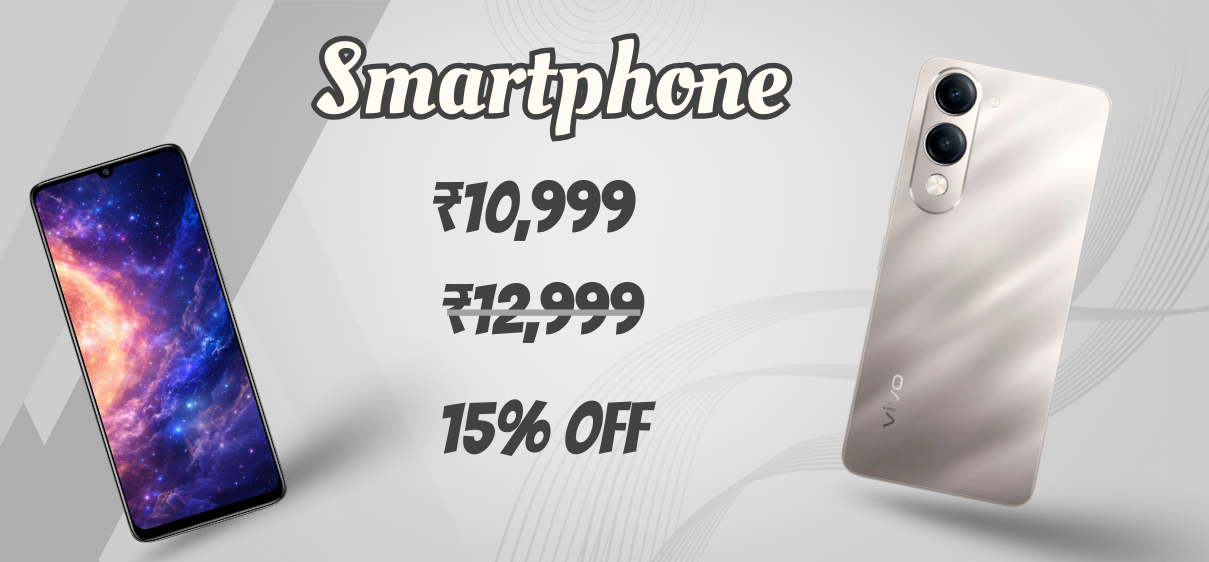
How to Choose the Perfect Smartphone
Choosing the perfect smartphone has become a complex decision that blends technology, lifestyle needs, performance expectations, and long-term value. With rapid innovation, hundreds of models, and aggressive marketing, making the right choice requires clarity, structure, and informed evaluation.
In this guide, we provide a definitive, in-depth framework to help identify the ideal smartphone based on real-world usage, technical specifications, and future-proof considerations. This article is designed to deliver maximum practical value, detailed insights, and decision-ready clarity.
Understanding Your Smartphone Usage Profile
Before evaluating specifications, we must assess how the smartphone will be used. Usage patterns directly influence which features truly matter.
Common User Profiles
-
Everyday Users – Messaging, browsing, social media, streaming
-
Professional Users – Email, productivity apps, multitasking
-
Content Creators – Photography, video recording, editing
-
Mobile Gamers – High frame rates, cooling systems, responsiveness
-
Power Users – Heavy multitasking, customization, long usage cycles
Matching the smartphone’s capabilities to the primary usage profile prevents overspending and dissatisfaction.
Operating System Selection: Android vs iOS
The operating system defines the entire smartphone experience.
Android Ecosystem
-
Wide range of manufacturers and price points
-
Deep customization options
-
Broader hardware variety
-
Advanced file management
iOS Ecosystem
-
Optimized performance and longevity
-
Strong privacy controls
-
Seamless integration with Apple devices
-
Consistent software updates
We recommend selecting the operating system first, as switching ecosystems later can be restrictive.
Performance and Processor Power
The processor (SoC) determines how fast, efficient, and future-ready a smartphone is.
Key Performance Metrics
-
CPU architecture – Affects multitasking speed
-
GPU power – Critical for gaming and graphics
-
AI engines – Enhance photography, voice recognition, and automation
-
Thermal management – Prevents throttling during extended use
Recommended Chipset Tiers
-
Flagship – Maximum performance and longevity
-
Upper Mid-Range – Excellent balance of power and efficiency
-
Entry Level – Basic tasks with limited multitasking
RAM and Storage Configuration
Memory configuration directly impacts speed, responsiveness, and usability.
RAM Recommendations
-
4–6 GB – Light usage
-
8 GB – Standard multitasking
-
12–16 GB – Power users and gamers
Storage Considerations
-
Minimum 128 GB recommended
-
UFS storage standards provide faster data access
-
Cloud compatibility enhances flexibility
Display Quality and Screen Technology
The display is the primary interaction surface, making quality non-negotiable.
Display Technologies
-
AMOLED / OLED – Deep blacks, vibrant colors
-
LCD – Cost-effective with good brightness
Critical Display Factors
-
Resolution – Full HD+ or higher
-
Refresh Rate – 90Hz to 120Hz for smoothness
-
Brightness – Outdoor visibility
-
Color Accuracy – Media and editing precision
Camera System Evaluation
Smartphone cameras have replaced dedicated cameras for many users.
Key Camera Components
-
Primary Sensor – Resolution and sensor size
-
Ultra-Wide Lens – Landscape and group shots
-
Telephoto Lens – Optical zoom capability
-
Image Processing – Software optimization
Video Capabilities
-
4K and 8K recording
-
Optical and electronic stabilization
-
HDR video support
Battery Life and Charging Technology
Battery performance defines daily reliability.
Battery Capacity
-
4,500–5,000 mAh ideal for full-day usage
Charging Features
-
Fast wired charging
-
Wireless charging
-
Reverse charging
Energy-efficient processors significantly enhance endurance.
Build Quality and Durability
A smartphone must withstand daily wear.
Materials
-
Glass and metal for premium feel
-
Reinforced plastic for durability
Protection Standards
-
Gorilla Glass variants
-
IP ratings for water and dust resistance
Connectivity and Network Support
Modern smartphones must support current and future networks.
Essential Connectivity
-
5G support
-
Wi-Fi 6 / 6E
-
Bluetooth 5.x
-
NFC
Security and Biometric Features
Data protection is critical.
Security Options
-
Fingerprint sensors (in-display or side-mounted)
-
Facial recognition
-
Encrypted storage
Software Updates and Longevity
Long-term value depends on software support.
-
Frequency of OS updates
-
Length of security patch coverage
-
Manufacturer update reputation
Price, Value, and Total Cost of Ownership
The perfect smartphone balances price and performance.
Value Assessment
-
Feature-to-price ratio
-
Warranty and service availability
-
Resale value
Comparison Table: Key Smartphone Selection Criteria
| Feature | Entry Level | Mid-Range | Flagship |
|---|---|---|---|
| Processor | Basic | Advanced | Top-Tier |
| Camera | Single | Multi-Lens | Pro-Grade |
| Display | LCD | AMOLED | LTPO OLED |
| Battery | Average | Strong | Optimized |
| Price | Low | Medium | Premium |
Final Selection Strategy
We recommend evaluating smartphones using a priority checklist:
-
Essential features first
-
Long-term usability
-
Software commitment
-
Budget alignment
25 FAQs and Answers
-
What is the most important smartphone feature?
Performance and battery life. -
Is more RAM always better?
Only if multitasking demands it. -
Do megapixels matter?
Sensor quality matters more. -
Is 5G necessary?
Yes for future readiness. -
Which display type is best?
AMOLED offers superior quality. -
How much storage is ideal?
At least 128 GB. -
Are flagship phones worth it?
For long-term users, yes. -
Does fast charging damage batteries?
Modern systems manage heat efficiently. -
Which OS is more secure?
Both offer strong security when updated. -
Is wireless charging useful?
Convenience outweighs speed. -
How important are updates?
Critical for security and longevity. -
What battery size lasts longest?
5,000 mAh with efficiency optimization. -
Is camera software important?
Extremely important. -
What refresh rate is ideal?
120Hz for smooth interaction. -
Do gaming phones differ?
Enhanced cooling and performance tuning. -
Is expandable storage necessary?
Depends on usage habits. -
Are glass backs fragile?
Reinforced glass reduces risk. -
Does brand matter?
Support and reliability do. -
Is biometric security safe?
Yes with encrypted hardware. -
How long should a phone last?
3–5 years with updates. -
Are budget phones reliable?
For basic use, yes. -
Does AI improve performance?
Yes, especially photography. -
Is dual SIM useful?
For travel and work separation. -
Should we buy online or offline?
Online offers better pricing. -
What defines the perfect smartphone?
Alignment with personal needs and future value.