
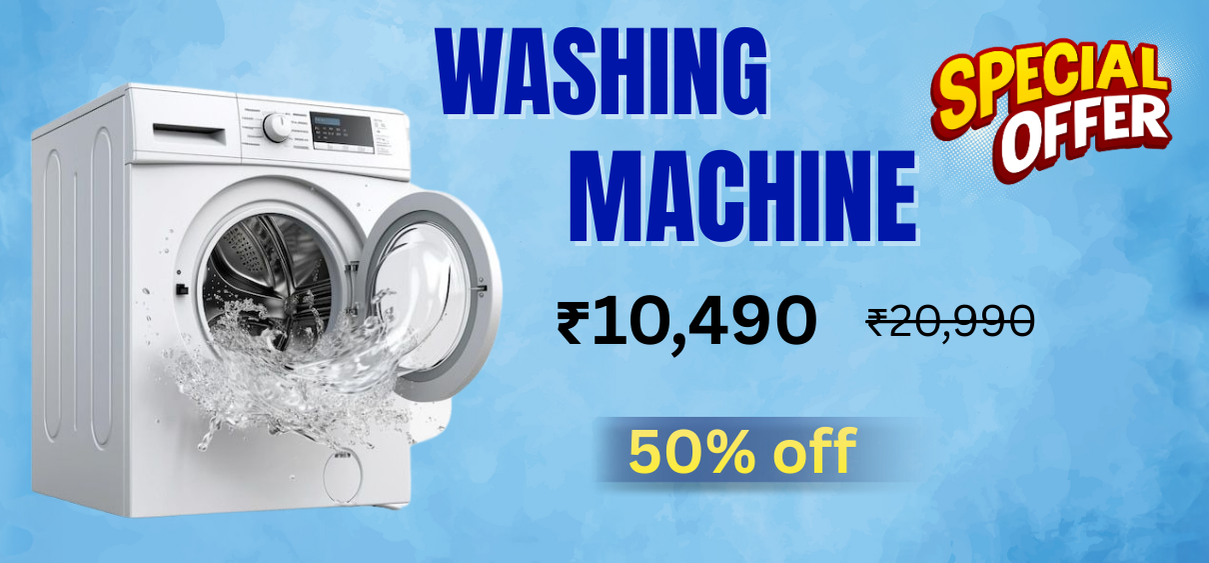
Introduction to Modern Washing Machines
Selecting the right washing machine is no longer a simple decision. With rapid advancements in laundry technology, diverse household needs, and rising expectations for energy efficiency, consumers demand more than basic cleaning power. We present a comprehensive washing machines comparison guide designed to deliver clarity, precision, and authority. This guide evaluates every major factor—from capacity and performance to durability and smart features—so informed decisions can be made confidently.
Types of Washing Machines Explained
Understanding washer categories is the foundation of any effective comparison.
Top Load Washing Machines
Top-load washers remain popular for their ease of use and shorter wash cycles. They are typically available in two subtypes:
- Agitator Top Loaders – Powerful cleaning through a central agitator, ideal for heavily soiled garments.
- Impeller Top Loaders – Gentle yet efficient washing using a low-profile cone or disc.
Advantages
- Faster wash cycles
- Lower upfront cost
- Easy loading without bending
Disadvantages
- Higher water consumption
- Generally less gentle on fabrics
Front-Load Washing Machines
Front-load washers dominate premium segments due to superior cleaning efficiency and fabric care.
Advantages
- Excellent stain removal
- Lower water and detergent usage
- High spin speeds reduce drying time
Disadvantages
- Higher purchase cost
- Longer wash cycles
- Requires bending to load
Washer-Dryer Combos
All-in-one solutions provide washing and drying in a single drum, ideal for space-constrained homes.
Advantages
- Space-saving design
- Convenient for apartments
Disadvantages
- Smaller load capacity
- Longer total cycle time
Washing Machine Capacity Guide
Choosing the correct capacity ensures efficiency and convenience.
| Household Size | Recommended Capacity |
| 1–2 persons | 5–6 kg |
| 3–4 persons | 7–8 kg |
| 5+ persons | 9–12 kg |
Larger capacities support bulky items like comforters, while smaller drums suit compact households.
Energy Efficiency and Water Consumption
Energy efficiency is critical for long-term savings and sustainability.
Energy Ratings
High energy star ratings indicate reduced electricity consumption. Inverter motors and load-sensing technology further optimize power usage.
Water Efficiency
Front-load washers typically consume 40–50% less water than top-loaders. Smart sensors adjust water levels based on load weight.
Wash Programs and Fabric Care
Modern washers feature specialized cycles designed for specific fabric types.
Common Wash Programs
- Cotton
- Delicates
- Quick Wash
- Eco Wash
- Heavy Duty
Advanced models include steam cleaning, allergen removal, and sanitization cycles, ensuring hygiene and garment longevity.
Spin Speed and Drying Performance
Spin speed, measured in RPM, determines moisture extraction efficiency.
| Spin Speed | Best Use Case |
| 800 RPM | Delicates |
| 1200 RPM | Daily laundry |
| 1600 RPM+ | Towels & bedding |
Higher spin speeds reduce drying time and energy consumption in dryers.
Noise Levels and Vibration Control
Quiet operation is essential in apartments and open-plan homes. Features such as direct drive motors, anti-vibration panels, and balanced drums significantly reduce noise.
Smart Washing Machines and Connectivity
Smart washers integrate seamlessly with modern homes.
Key Smart Features
- Wi-Fi connectivity
- Mobile app control
- Remote diagnostics
- Voice assistant compatibility
These features enhance convenience and predictive maintenance.
Build Quality and Durability
Long-term reliability depends on materials and engineering.
Premium features include:
- Stainless steel drums
- Tempered glass lids
- Corrosion-resistant cabinets
Inverter motors typically offer longer lifespans and reduced wear.
Maintenance and Hygiene Features
Self-cleaning drums, lint filters, and antimicrobial gaskets prevent odor buildup and extend machine life.
Safety Features
Modern washing machines incorporate advanced safety systems:
- Child lock
- Overflow protection
- Automatic imbalance correction
Cost Analysis: Budget vs Premium Washers
Price reflects features, efficiency, and durability.
| Category | Price Range | Ideal For |
| Budget | Low | Small households |
| Mid-Range | Medium | Families |
| Premium | High | Smart homes |
Installation and Space Requirements
Consider door swing, ventilation, and clearance. Stackable units optimize vertical space.
Environmental Impact
Eco-conscious washers reduce carbon footprint through cold wash technology and biodegradable detergent compatibility.
Comparison Table: Top Load vs Front Load
| Feature | Top Load | Front Load |
| Water Efficiency | Moderate | High |
| Cleaning Quality | Good | Excellent |
| Price | Lower | Higher |
| Fabric Care | Moderate | Superior |
Buying Tips for the Best Washing Machine
- Match capacity to household size
- Prioritize energy efficiency
- Consider noise levels
- Evaluate warranty coverage
Future Trends in Washing Machines
Emerging innovations include AI-powered wash optimization, ultrasonic cleaning, and waterless washing technology.
FAQs and Answers
- Which washing machine is best for families?
Front-load washers with 8–10 kg capacity. - Are inverter motors better?
Yes, they offer efficiency and durability. - How long does a washing machine last?
Average lifespan is 10–15 years. - Do front-load washers clean better?
Yes, due to tumbling action. - Is a steam wash necessary?
Ideal for allergy-sensitive households. - What RPM is best?
1200–1400 RPM for daily use. - Are smart washers worth it?
They enhance convenience and diagnostics. - Which washer uses less water?
Front load machines. - Can washing machines damage clothes?
Improper cycles may cause wear. - What capacity suits couples?
6–7 kg. - Do washer-dryer combos work well?
Suitable for light loads. - How noisy are washing machines?
Noise levels vary by motor type. - Is a stainless steel drum necessary?
Yes, for durability. - Do washing machines need regular cleaning?
Monthly drum cleaning is recommended. - Are top-load washers faster?
Yes, generally shorter cycles. - What is eco wash?
Low-energy, low-water cycle. - Do washing machines consume much electricity?
Energy-efficient models consume less. - Is the installation complicated?
Professional installation recommended. - Can hard water affect washing machines?
Yes, scale buildup may occur. - Are child locks important?
Essential for family safety. - What detergent works best?
High-efficiency detergents. - Do washing machines vibrate?
Balanced drums minimize vibration. - Is a warranty important?
Extended warranties add peace of mind. - Which brand is most reliable?
Reliability varies by model. - How often should filters be cleaned?
Every 1–2 months.
For more information and to start using Roobai.com, visit our official website and download the app to stay updated on the best deals and offers. With Roobai.com, you can ensure that every shopping experience is not just an opportunity to shop but an opportunity to save big.